

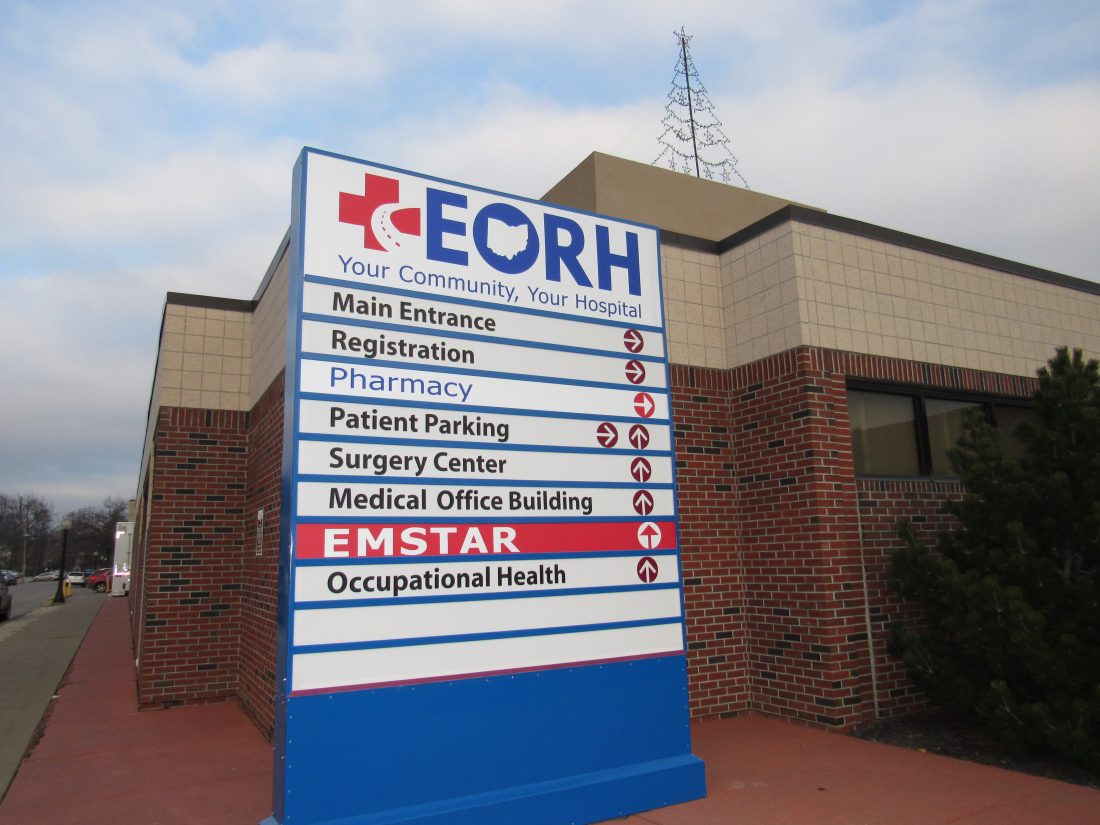
RVHF Donates $50K to Displaced EORH Workers
WHEELING, W.Va. — On March 20, 2025, East Ohio Regional Hospital in Martins Ferry abruptly closed its doors, leaving hundreds of employees suddenly without jobs or paychecks. Many had already worked weeks without receiving their pay, making the closure even more devastating for families who had long relied on steady employment at the hospital. The news shook the community and created immediate hardship for families who had long relied on steady employment at the hospital.
Recognizing the urgency, the River Valley Health Fund, through the Community Foundation for the Ohio Valley, stepped in with a $50,000 grant to support displaced workers. The board approved the funding within 24 hours, allowing United Way of the Upper Ohio Valley to distribute aid immediately. Families could address urgent needs and stabilize their lives. “We were able to help every single person who called us,” said Staci Stephen, executive director of United Way. “That doesn’t happen often. And to see the relief in people’s voices—it meant everything.”
The funding provided critical support for families living paycheck to paycheck. Gas cards helped workers get to job interviews, daycare assistance ensured parents could continue working, and financial support covered essentials such as rent, utilities, and even professional costs like switching nursing licenses to West Virginia. “People weren’t just asking for money—they needed someone to listen, to understand. Sometimes the call itself was as important as the assistance,” Stephen added.
For the displaced workers, the relief was more than financial—it was deeply personal. Many had devoted decades to the hospital and suddenly felt vulnerable and uncertain. “We took care of our family,” said Kris Molnar, River Valley Health Fund board member. “These were people who gave decades of service to our community, and stepping in to support them was exactly what we were meant to do.” She continued, “It reminded us why this fund exists. When people face the unthinkable, they need to know their community will stand beside them.” Reflecting on the speed of the response, Molnar added, “Being able to approve the grant so quickly meant families didn’t have to wait for help—they could get immediate relief when they needed it most.”
Several families who received support later returned to give back once they found new employment, a gesture that highlighted the lasting impact of community generosity. Stephen reflected on the experience and the organizations’ long-term collaboration: “Our partnership with CFOV makes responses like this possible. Because we already have a trusted relationship, we can move quickly and efficiently, ensuring help gets to the people who need it most, exactly when they need it.” She added, “This was a crisis none of us could have predicted, but thanks to the River Valley Health Fund, we were able to give people hope in their darkest moment.”


